
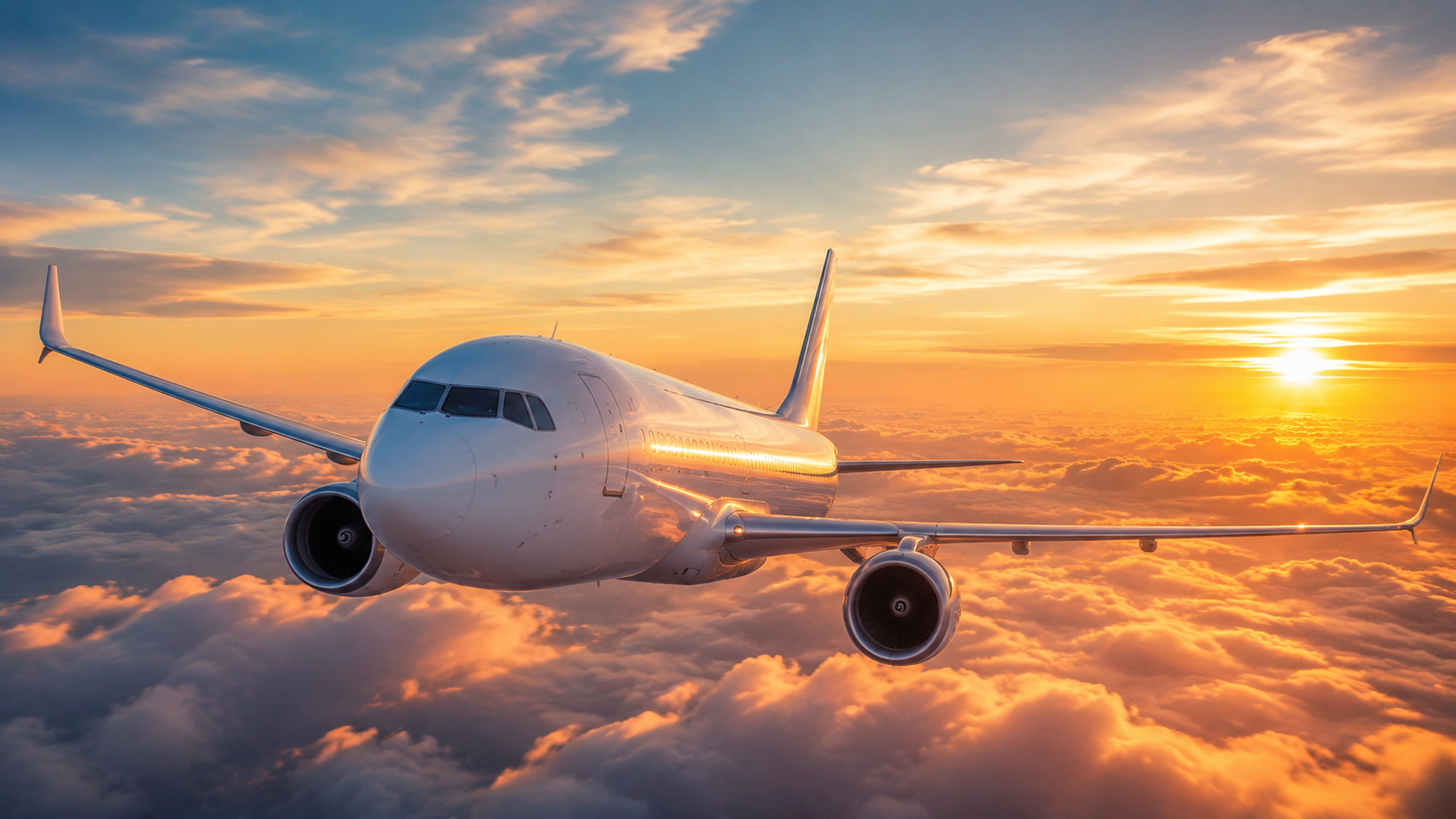
On May 27, 2025, United Airlines Flight UA770, a scheduled transatlantic flight from Barcelona to Chicago, declared an emergency mid-air and was diverted to London Heathrow Airport. This emergency diversion drew immediate attention as aviation enthusiasts, passengers, and the media sought to understand the circumstances surrounding this incident. The aircraft, a Boeing 787 Dreamliner, safely landed at Heathrow, ensuring the safety of all passengers and crew aboard. But what led to this unexpected diversion? In this article, we will explore the events that led to the diversion, the aircraft involved, and the significance of emergency procedures in ensuring the safety of everyone on board.
Quick Bio
| Aspect | Details |
|---|---|
| Flight Number | United Airlines Flight UA770 |
| Route | From Barcelona (BCN) to Chicago O’Hare (ORD) |
| Aircraft | Boeing 787 Dreamliner (Tail number: N26902) |
| Emergency Declaration | Squawk 7700 (General emergency code) |
| Diversion Location | London Heathrow Airport (LHR) |
| Date | May 27, 2025 |
| Outcome | Safe landing with no injuries |
| Cause of Diversion | Not officially disclosed (likely due to mechanical, medical, or operational concerns) |
| Flight Duration Before Diversion | Approximately 90 minutes after takeoff |
| Emergency Procedures | Standard emergency diversion protocols followed; air traffic control provided priority routing |
What Led to the United Airlines Flight UA770 Emergency Diversion?
Declaring an Emergency in Aviation
Aviation is one of the safest modes of transport, but sometimes unforeseen circumstances require pilots to take decisive action. United Airlines Flight UA770 faced such a situation when an emergency occurred shortly after departing Barcelona. In aviation, an emergency declaration is made using the emergency squawk code 7700, signaling that a critical situation is unfolding on board, often related to mechanical, operational, or medical issues.
When a flight crew declares an emergency, air traffic control prioritizes the aircraft’s safety and provides immediate assistance in guiding the flight to the nearest airport. United Airlines Flight UA770 declared a 7700 emergency about 90 minutes after takeoff. The flight was en route to Chicago, but due to an unspecified emergency, the plane was diverted to London Heathrow.
What Are the Possible Causes for an Emergency Diversion?
Though the exact cause of the emergency has not been officially disclosed by the airline, diversions like this are often due to several potential causes. These can range from technical malfunctions, medical emergencies, or environmental conditions such as turbulence or hazardous weather. Additionally, issues like cabin pressurization problems, smoke detection, or even mechanical faults are common reasons for diversions.
While the specifics are still unknown, one thing remains clear: the diversion was an example of how quickly and effectively pilots and crew can respond to any crisis that arises mid-flight. By prioritizing passenger safety and acting quickly, the crew of United Airlines Flight UA770 ensured that the situation remained under control.
Aircraft Involved: Boeing 787 Dreamliner
The Role of the Boeing 787 Dreamliner in Long-Distance Travel
United Airlines Flight UA770 was operated by a Boeing 787 Dreamliner, a modern and reliable aircraft known for its fuel efficiency, passenger comfort, and long-range capabilities. With advanced technology and systems designed to ensure safety, the Dreamliner is a key player in transatlantic flights.
These aircraft are equipped with sophisticated avionics, emergency protocols, and crew support systems to deal with any unforeseen circumstances, as was the case with this diversion. While the diversion may have been a concern for passengers on board, the Dreamliner’s design allowed for a quick response, ensuring no injuries were reported.
How Boeing 787 Enhances Passenger and Crew Safety
The Boeing 787 Dreamliner is equipped with state-of-the-art technology, including advanced flight control systems, real-time health monitoring of critical components, and enhanced emergency protocols. The aircraft’s capacity to respond swiftly to in-flight emergencies and communicate effectively with air traffic control ensures that the safety of passengers is always prioritized.
The Importance of Emergency Procedures in Aviation
What Happens When an Emergency Code is Squawked?
The moment United Airlines Flight UA770 declared an emergency, the flight crew squawked 7700 on the aircraft’s transponder. This code is universally recognized as a signal of distress, prompting air traffic controllers to prioritize the flight for safe and immediate landing at the nearest airport capable of handling such an emergency.
In this case, London Heathrow Airport, one of the busiest and most capable airports in the world, was selected for the emergency landing. The airport’s emergency response teams were prepped and ready, providing vital ground support for the plane’s safe arrival. This procedure is not only standard but essential to ensuring a safe resolution to any critical in-flight situation.
Air Traffic Control’s Role in Emergency Diversions
Once an emergency declaration is made, air traffic control plays a crucial role in guiding the aircraft to the nearest available airport. The control tower provides real-time updates and adjustments to the flight’s route to ensure that no further complications arise. For United Airlines Flight UA770, air traffic controllers worked seamlessly to guide the aircraft to a safe landing at London Heathrow.
The Crew’s Role in Handling Emergencies
Pilots and Crew Training: The Backbone of Aviation Safety
Aviation crews undergo rigorous training to handle emergencies of all kinds. Whether it’s a technical malfunction or a medical issue on board, flight crews are prepared to respond effectively and efficiently. The crew of United Airlines Flight UA770 followed standard protocols, maintaining calm and control in an otherwise stressful situation.
The fact that no injuries occurred and that the diversion was executed without incident is a testament to the crew’s professionalism and their commitment to passenger safety. This event highlights how vital it is for airlines to invest in the continuous training and preparation of their staff.
How the Crew’s Quick Thinking Ensured Safety
When the emergency unfolded, the flight crew’s quick decision-making and communication with air traffic control were crucial in managing the situation. By acting swiftly to redirect the flight to London Heathrow, the crew minimized the risk of any escalation, ensuring the safety of everyone on board.
Read More: Messagenal: Transforming Communication Through Intentional Messaging
Conclusion
The emergency diversion of United Airlines Flight UA770 serves as a reminder of the critical importance of aviation safety protocols and the expertise of flight crews in handling in-flight emergencies. While the exact cause of the diversion remains undisclosed, the outcome was successful, with no injuries reported and the aircraft safely landing at London Heathrow. This incident underscores the resilience of aviation systems and the dedication of professionals working tirelessly to ensure the safety of passengers and crew alike.
FAQ
1. What is the squawk code 7700 used for in aviation?
The squawk code 7700 is a universal emergency code used by pilots to signal an emergency situation to air traffic control. It allows controllers to prioritize the flight and assist the crew in managing the situation.
2. What caused the emergency diversion of United Airlines Flight UA770?
The exact cause has not been publicly confirmed. However, diversions like these typically occur due to mechanical issues, medical emergencies, or other operational concerns.
3. Were there any injuries on United Airlines Flight UA770?
No, there were no injuries reported on United Airlines Flight UA770 during the emergency diversion.
4. What is the role of air traffic control during an emergency?
Air traffic control assists by providing priority clearance, guiding the aircraft to a safe landing, and ensuring no other aircraft conflict with the emergency flight’s path.
5. How are flight crews trained to handle emergencies?
Flight crews undergo extensive training in emergency response, including handling medical situations, mechanical malfunctions, and emergency landings, to ensure they are prepared for any unforeseen events.