
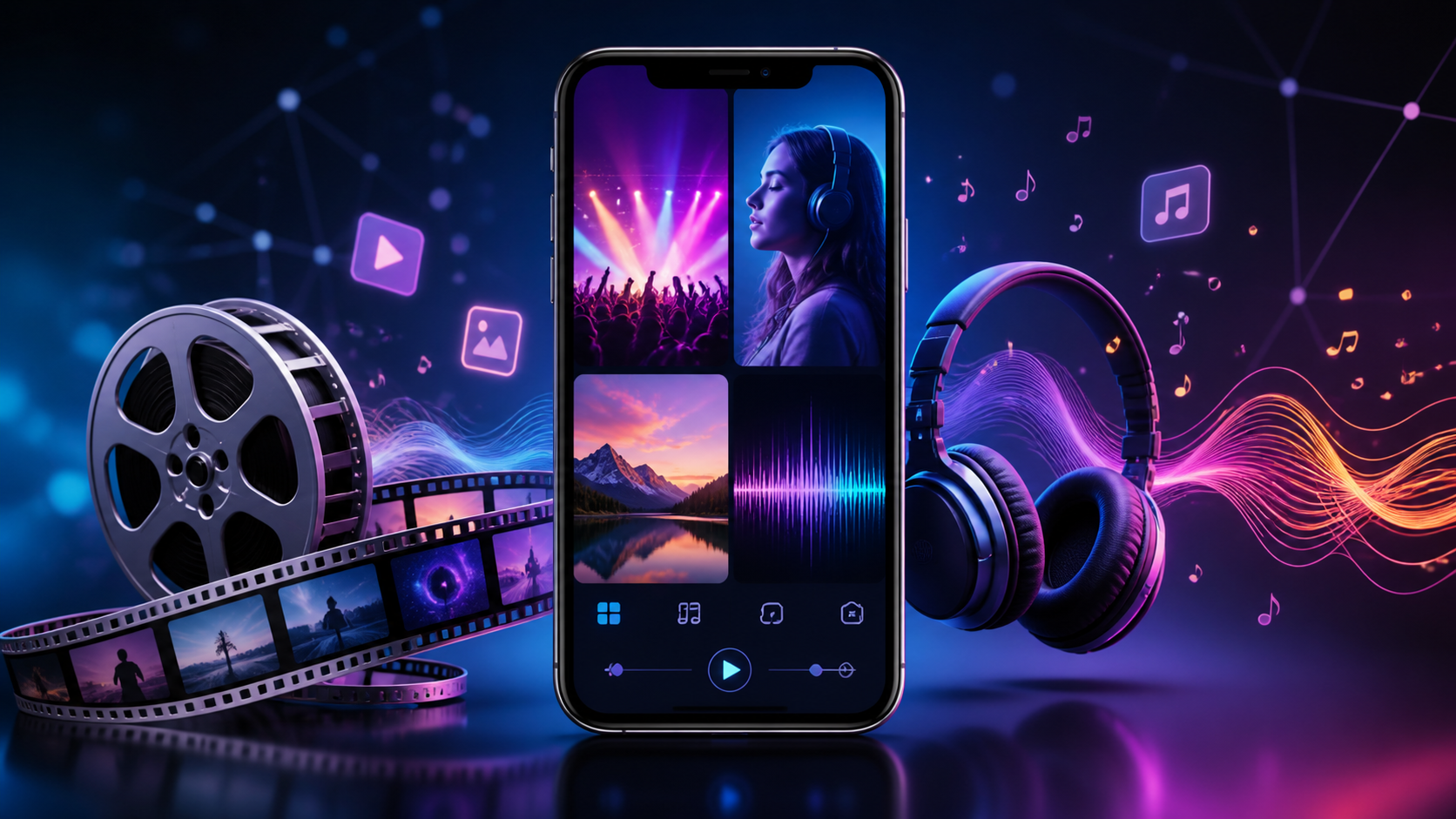
The rapid growth of mobile technology has transformed how people consume information, communicate, and interact with digital platforms. In this evolving environment, the concept of application mobile dualmedia has emerged as a significant innovation that combines multiple media formats into one seamless experience. This advancement is not only reshaping user expectations but also redefining how mobile applications are designed and used.
An application mobile dualmedia integrates audio, video, text, and visual elements into a unified platform, allowing users to interact with different forms of content simultaneously. While this approach offers a more immersive and efficient experience, it also raises concerns related to performance, complexity, and user overload. Understanding both the strengths and limitations of this concept is essential for businesses, developers, and users alike.
Quick Bio
| Attribute | Details |
|---|---|
| Topic | Application Mobile DualMedia |
| Category | Mobile Technology |
| Focus | Multi-media Integration in Apps |
| Purpose | Informational and Educational |
| Audience | Developers, Businesses, Tech Enthusiasts |
| Content Style | Human-written, SEO-optimized |
| Word Count | Approximately 1000 Words |
The Core Concept of Application Mobile DualMedia
The idea behind application mobile dualmedia revolves around combining multiple content formats into a single mobile application to create a more engaging and interactive environment. Instead of relying on separate platforms for watching videos, reading content, or listening to audio, users can access everything within one application. This integration not only simplifies usage but also enhances content consumption by providing a richer and more dynamic experience.
Application mobile dualmedia focuses on delivering convenience and efficiency. By merging different media types, it eliminates the need for constant app switching, which often disrupts user engagement. However, the complexity of managing multiple media streams within one application can lead to technical challenges, making it crucial for developers to balance functionality with performance.
The Growing Importance of Dualmedia Mobile Applications
As digital consumption continues to rise, users are increasingly looking for platforms that offer more than just basic functionality. Application mobile dualmedia meets this demand by providing an all-in-one solution that caters to diverse user needs. Whether it is for education, entertainment, or productivity, these applications are becoming essential tools in the modern digital landscape.
The importance of application mobile dualmedia is further amplified by the increasing reliance on mobile devices. Smartphones have become the primary medium for accessing digital content, making it necessary for applications to deliver comprehensive and seamless experiences. While this trend highlights the positive impact of dualmedia applications, it also emphasizes the need for careful design to avoid overwhelming users with excessive information.
Key Features of Application Mobile DualMedia
Application mobile dualmedia is characterized by its ability to integrate and manage multiple media formats efficiently. This includes the simultaneous use of audio and video, interactive text elements, and visually engaging graphics. These features work together to create a cohesive user experience that is both engaging and informative.
Another defining feature is the seamless transition between different types of content. Users can switch from watching a video to reading related information or listening to audio without leaving the application. While this functionality enhances convenience, it also requires advanced development techniques to ensure smooth performance and minimal lag.
Benefits of Application Mobile DualMedia
One of the most significant advantages of application mobile dualmedia is its ability to enhance user engagement. By combining multiple forms of content, it creates a more immersive experience that captures user attention and encourages longer interaction. This is particularly beneficial for educational and entertainment applications, where engagement plays a crucial role in success.
In addition to improved engagement, these applications offer increased efficiency by consolidating various functionalities into a single platform. Users no longer need to manage multiple apps, which simplifies their digital experience. However, this convenience can sometimes come at the cost of increased complexity, as managing multiple media streams requires more resources and careful optimization.
Challenges and Limitations
Despite its many advantages, application mobile dualmedia is not without its challenges. One of the primary concerns is performance, as handling multiple media formats simultaneously can strain device resources. This may result in slower loading times, increased battery consumption, and potential compatibility issues across different devices.
Another limitation is the potential for information overload. While the integration of multiple media types enhances engagement, it can also overwhelm users if not managed properly. Striking the right balance between functionality and simplicity is essential to ensure a positive user experience.
Use Cases in Different Industries
Application mobile dualmedia has found applications across various industries, including education, entertainment, and business. In the education sector, these applications enable interactive learning by combining video lectures with text and audio explanations. This approach enhances understanding and retention, making learning more effective.
In the entertainment industry, dualmedia applications provide a richer viewing experience by integrating video content with interactive features and supplementary information. Similarly, in the business sector, these applications facilitate better communication and collaboration by combining different forms of media within a single platform. While these use cases highlight the versatility of dualmedia applications, they also underscore the importance of thoughtful design and implementation.
Future of Application Mobile DualMedia
The future of application mobile dualmedia looks promising, driven by advancements in technology and increasing user demand for integrated experiences. As mobile devices become more powerful, the ability to handle multiple media formats efficiently will continue to improve, making these applications more accessible and effective.
Emerging technologies such as artificial intelligence and augmented reality are expected to further enhance the capabilities of dualmedia applications. These innovations will enable more personalized and interactive experiences, pushing the boundaries of what mobile applications can achieve. However, the success of these developments will depend on the ability to address existing challenges and ensure a seamless user experience.
Conclusion
Application mobile dualmedia represents a significant step forward in the evolution of mobile applications, offering a powerful combination of functionality and convenience. By integrating multiple media formats into a single platform, it enhances user engagement and simplifies digital interactions. At the same time, it introduces challenges related to performance and complexity that must be carefully managed.
As technology continues to advance, the potential of application mobile dualmedia will only grow, making it an essential component of the digital ecosystem. Understanding its benefits and limitations is crucial for leveraging its full potential while ensuring a balanced and user-friendly experience.
FAQ
What is application mobile dualmedia?
Application mobile dualmedia is a mobile application that integrates multiple media formats such as audio, video, and text into a single platform, allowing users to interact with different types of content simultaneously.
Why is application mobile dualmedia important?
It is important because it enhances user experience by providing a more engaging and efficient way to consume content without switching between multiple applications.
What are the main challenges of dualmedia applications?
The main challenges include performance issues, increased resource consumption, and the risk of overwhelming users with too much information.
Where is application mobile dualmedia commonly used?
It is commonly used in education, entertainment, and business applications where multiple forms of content are required for effective communication and engagement.
What is the future of application mobile dualmedia?
The future is promising, with advancements in technology expected to improve performance and enable more interactive and personalized user experiences.